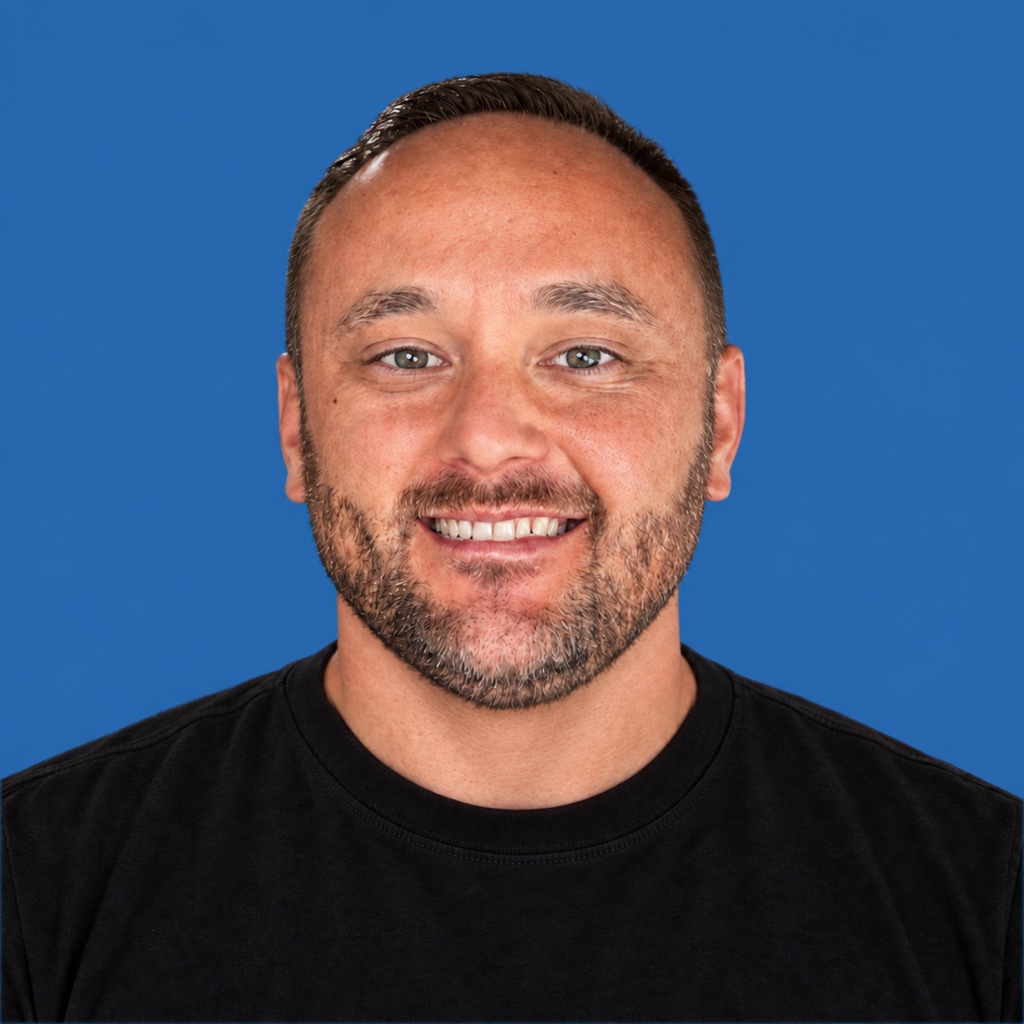



It started on the shop floor
Before Kyle Newsom learned to turn a wrench, he swept the floors of his family’s mechanic shop. As he learned the trade and took on more responsibility, the shop became the starting point for a business education that would eventually span several industries.
His family owned companies in trash services, locksmithing, glass, auto body repair, and printing and advertising. Working across those businesses exposed him to the demands of different customers, different trades, and different ways of making a company work. His experience expanded from hands-on responsibilities in the field and shop to sales, financing, and bookkeeping.
Each role added another piece to his understanding. He learned what it took to deliver the work, bring in customers, and account for the results. Moving between those responsibilities helped him see how decisions in one part of a business affected the people and performance of the whole company.
At 16, Newsom started a vehicle customization and detailing business, finding customers door to door. It was an early experience of ownership, with responsibility for both earning the business and delivering what he had promised.
From doing the work to leading the business
Newsom’s automotive career took him from technician to service advisor, team lead, and service manager, eventually becoming a Fixed Operations Director with a national automotive group. He went on to lead dealership service and parts operations across multiple brands.
As his responsibilities grew, his work increasingly centered on developing people and improving how the business operated. He created training and onboarding programs, developed recruiting and retention practices, and worked with local schools on internship opportunities. He also developed an aftermarket business offering vehicle modifications beyond the dealership’s traditional accessory model.
The progression gave him experience with both the details of daily operations and the decisions that shape a company’s direction. He understood the work being asked of employees because he had performed it himself. Leadership expanded that responsibility to helping others perform well, building effective teams, and managing the financial results.
That experience continues to shape his approach. Newsom describes his philosophy as “kind leadership,” combining support and development with clear expectations and honest accountability. He also emphasizes making performance visible, using daily scorecards to help teams understand their results, recognize where they need to improve, and act on that information.
Building companies and helping owners grow
Newsom carried that experience into building businesses of his own. He and Amber established The KAMBER Group, bringing together their backgrounds in business operations, leadership, and people development. His work later expanded through Ellareon, which provides managed remote professionals, and VISPERIO, which supports automotive dealership service and parts teams through training, consulting, and performance systems.
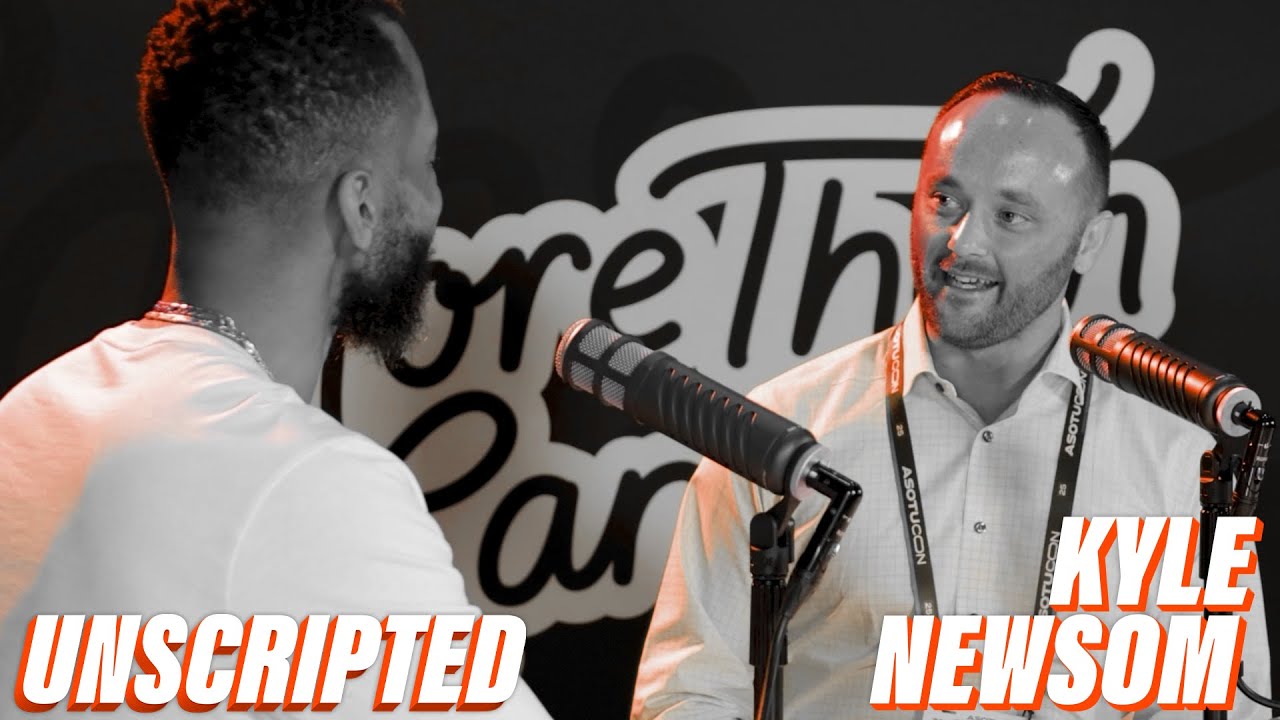
Building those businesses involved personal commitments as well as professional ones. As Newsom shared in a public interview, he and Amber made the decision to sell their home as part of launching VISPERIO. It was a shared decision to invest in the company they were helping build.
Today, Newsom serves as founder and CEO of The KAMBER Group, founder of Ellareon, and co-founder of VISPERIO. Since October 2025, he has also served as Chief Operating Officer of Bald Business LLC, overseeing daily operations and growth for Vic Keller’s EPIC platform, including EPIC Boardroom and EPIC Retreats.
Across his work, he helps owners of seven- and eight-figure businesses strengthen their companies and reclaim their time. He looks at how sales, people, finances, and operations fit together, where too much responsibility rests with the owner, and what needs to change for the business to move forward.
A business that supports a meaningful life
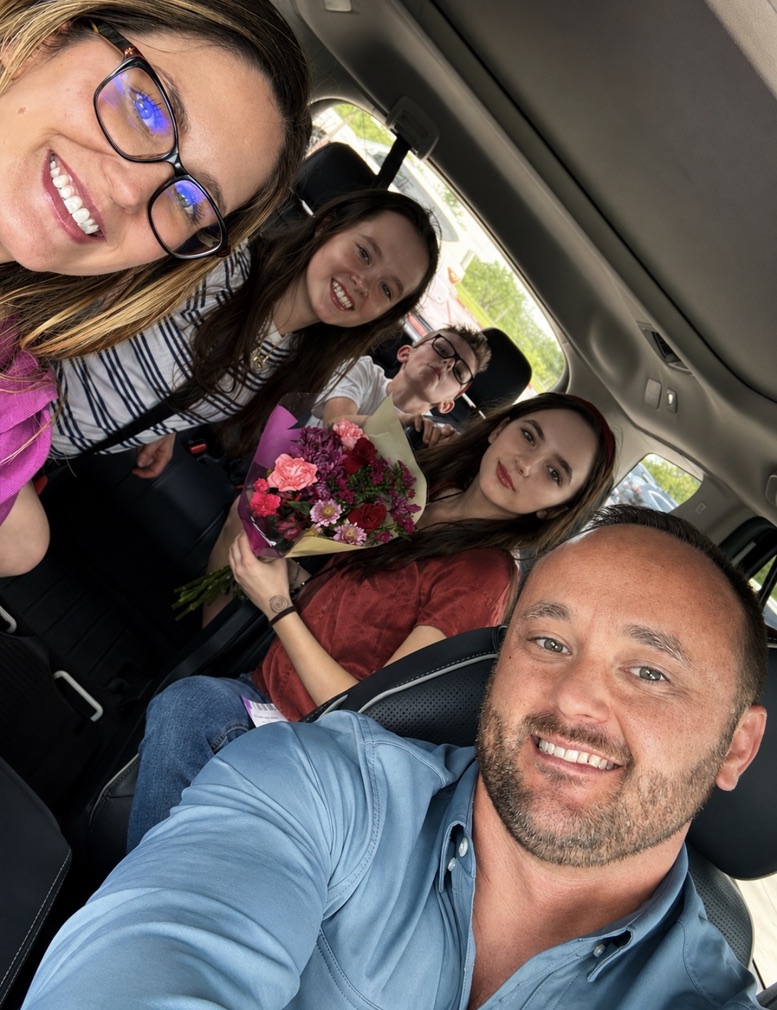
For Newsom, giving owners their time back is a personal subject. Amber and their three children are central to how he defines success and to the life he wants his own businesses to support.
He cares about building strong companies, developing people, and creating opportunities. He also cares about being present at home. Those priorities shape the way he thinks about growth: a company should become more capable as it grows, giving its owner greater freedom to decide where their attention is needed most.
His career began with learning how to do the work. It grew into leading people, building companies, and helping other owners do the same. Through each stage, the purpose has become clearer: build a business worth owning, with room for a life worth living.